In 2025, the fashion world continues its enduring love affair with nostalgia, and nowhere is this more evident than in the resurgence of women’s vintage dresses. This year’s trends celebrate a harmonious blend of old-world charm and modern sensibility, proving that style truly is cyclical. Designers across the globe are reimagining silhouettes from the 1920s through the 1970s, offering pieces that feel both familiar and refreshingly new. One of the strongest trends this season is the return of the 1940s tea dress cinched at the waist, softly draped, and adorned with petite floral patterns. These dresses offer effortless femininity and are particularly popular for daytime wear, appealing to women seeking polished yet comfortable looks. Another standout is the 1950s swing dress, which remains a crowd favorite thanks to its flattering fit-and-flare silhouette. This year, it appears in bolder prints and richer fabrics, bringing a contemporary twist to a beloved classic.
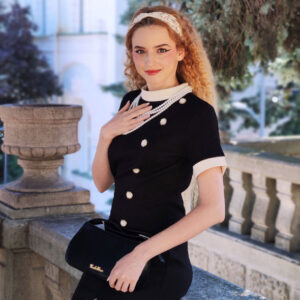
1960s mod style
The 1960s mod style has also made a striking comeback. Think A-line mini dresses, graphic patterns, and crisp collars. Fashion-forward dressers gravitate toward these playful shapes for their youthful edge and versatility. Meanwhile, the 1970s bohemian maxi dress continues to capture attention with earthy tones, flowing sleeves, and intricate embroidery perfect for those craving a sense of wanderlust and freedom in their wardrobe. What sets 2025 apart is the rise of “neo-vintage,” a movement embracing sustainable materials and modern tailoring while preserving the aesthetics of past decades. Upcycled fabrics, digital print enhancements, and adjusted proportions make vintage-inspired dresses more wearable than ever.Whether it’s the romantic allure of the ’40s or the bold flair of the ’60s, women’s vintage dresses are thriving in 2025. They offer more than style they offer a story, a sense of identity, and a connection to fashion history that feels beautifully relevant today.
Vintage Visions: The Defining Dress Styles of 2025
One standout this year is the Edwardian-inspired lace dress, characterized by high necklines, layered lace, and soft ivory tones. Once associated with romantic nostalgia, these dresses have been reimagined with lightweight fabrics and subtle transparency, giving them an ethereal, effortless quality.
The 1920s flapper dress also enjoys renewed attention. Its straight silhouette, shimmering beading, and feathered details make it a celebratory choice for evening events. Designers are updating the iconic look with contemporary metallics and minimalist embellishments, achieving a balance between glamour and wearability.
For daytime chic, the 1940s utility dress is back in rotation. Defined by structured shoulders, button-down fronts, and practical pockets, this style reflects a growing appreciation for functional elegance. Soft neutrals and muted pastels dominate, making these dresses a staple for women who value versatility.
Meanwhile, the 1950s pencil dress offers a striking contrast. With its figure-skimming fit and sharp tailoring, it embodies confidence and timeless femininity. In 2025, the silhouette is seeing bold reinterpretations in vibrant jewel tones and textured fabrics.
The 1960s shift dress continues to shine as well simple, playful, and endlessly adaptable. This year’s versions highlight color-blocking, retro collars, and mod-inspired prints that appeal to trendsetters seeking clean, graphic looks.
Finally, the 1970s prairie dress maintains its place as a boho favorite. Ruffled trims, puff sleeves, and flowing skirts create a whimsical silhouette that feels at once nostalgic and free-spirited.
Together, these styles form a captivating wardrobe language one that celebrates the beauty of the past while embracing the innovation of the present.